
Best Golf Clubs for Beginners: Check Fit Before Buying a Set
Compare Wilson Profile, Strata and Callaway Edge beginner sets by actual club count, fit, bag inclusion and total cost before buying.
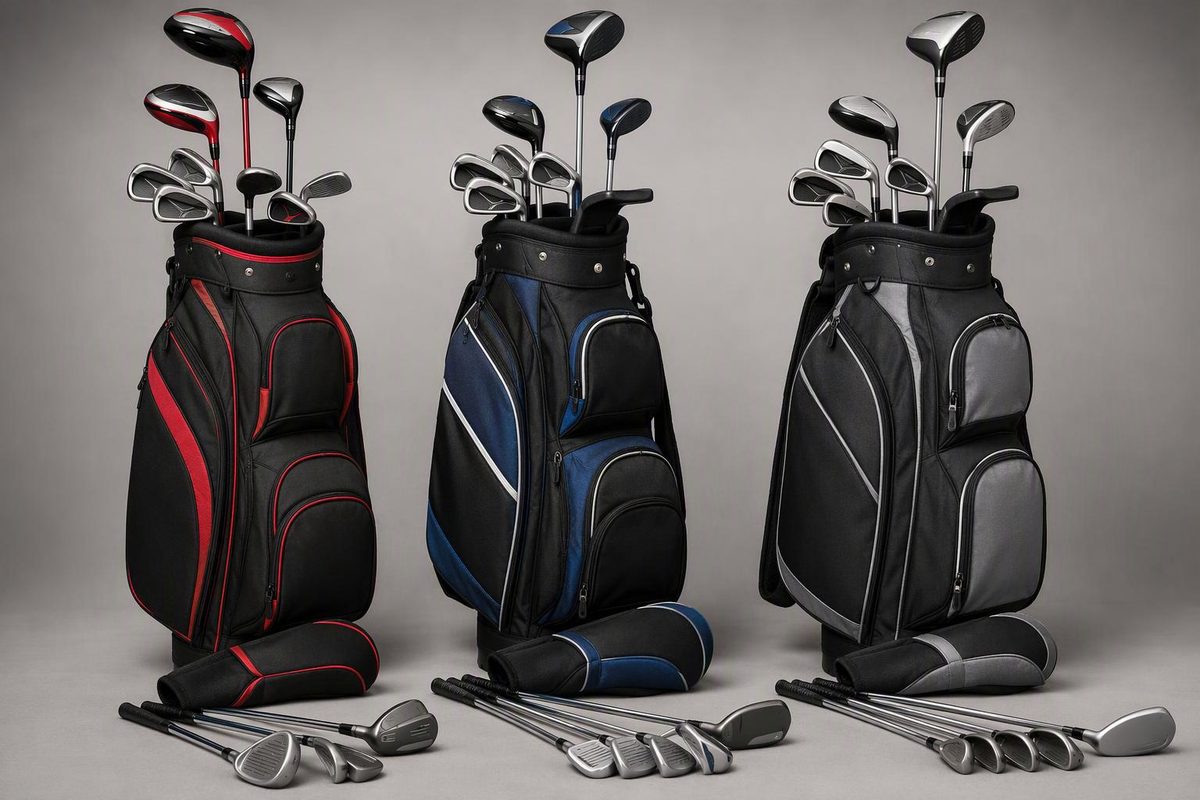
Start by comparing the men’s Wilson Profile if its length and faster-swing specification fit you. It includes ten clubs, a stand bag and both pitching and sand wedges. The Strata 12-Piece is a lower-priced alternative within this shortlist, while Callaway Edge deserves a look if you already own a bag.
The best beginner clubs are not necessarily the set with the most pieces. Buy a manageable selection of forgiving clubs that fits your body and swing, then add clubs when you can identify a useful distance gap.
This is an adult-set buying shortlist based on published specifications and package contents, not a hands-on performance ranking. Prices below are U.S. listings checked October 14, 2026, before tax; promotions and availability can change.
The beginner-set shortlist
| Set | Best reason to consider it | Actual clubs and bag | Listed price |
|---|---|---|---|
| Wilson Men’s Profile with Stand Bag | Ten-club package with two wedges and some length choice | 10 clubs; stand bag included | $549.99 sale price |
| Men’s Strata 12-Piece | Lower spending within this shortlist | 9 clubs; stand bag included | $499.99 |
| Callaway Edge Regular Flex, right-handed | Ten-club option for someone who already has a bag | 10 clubs; no bag listed in the package | Check current checkout price |
| Wilson Women’s Profile with Stand Bag | Alternative shaft, length, grip and swing-weight specification | 10 clubs; stand bag included | $549.99 sale price |
Wilson Profile: the first package to compare
The men’s Profile contains a driver, 5-wood, 5-hybrid, 6–9 irons, pitching wedge, sand wedge and putter. Its package advantage over the basic Strata is straightforward: you get a sand wedge without a separate purchase, plus a 5-wood rather than a 3-wood. Slower-swing players can benefit from starting with a 4- or 5-wood, according to PGA TOUR Superstore’s fairway-wood guidance.
The fit warning matters: Wilson describes this men’s model as suited to faster swings. Its listed configurations are right-handed standard, right-handed tall and left-handed standard—not every combination of hand and length. Choose it for the package and appropriate fit, not simply because it says “beginner.” Wilson’s product specifications identify those options.
Strata 12-Piece: lower cost, no sand wedge included
This package has a driver, 3-wood, 5-hybrid, 6–9 irons, pitching wedge and putter. “12-piece” means nine clubs, a bag and two headcovers—not twelve clubs. The inventory is confirmed by Worldwide Golf’s Strata listing.
It is worth comparing for an occasional golfer whose measurements suit standard-length clubs. Callaway lists right- and left-handed versions with regular-flex graphite/steel combination shafts. If you want a sand wedge from the outset, price a suitable one before comparing totals. At the listed prices, the gap to the men’s Wilson Profile is only $50; a separate wedge could use up that saving. You do not have to add one before you start playing.
Callaway Edge: compare it when you already have a bag
The Costco regular-flex, right-handed Edge package includes a titanium driver, 3-wood, 5-hybrid, cavity-back 6–9 irons, pitching wedge, sand wedge and an Odyssey White Hot Pro putter with SuperStroke grip. Woods use graphite shafts and irons use steel. Costco’s inventory does not include a bag.
That makes Edge a practical alternative for someone replacing borrowed clubs while keeping an existing bag. For a first purchase from scratch, compare the set-plus-bag total, not just the club price. The branded putter is a feature to try, not proof that you will putt better with it.
Women’s Wilson Profile: an alternative specification, not an automatic fit
The women’s stand-bag model includes the same ten club types as the men’s Profile, including a 5-wood and both wedges. Wilson says its shaft flex, length, grip size and swing weight are configured for women. The specific stand-bag listing shows right-handed standard as its listed SKU.
Try it if that configuration appears suitable, but do not choose clubs by gender label alone. A player needing another length, different shaft weight or left-handed clubs should compare other configurations before ordering.
Three checks before you pay
- Confirm length and grip size. Height is a starting point, not the whole fitting. PING’s beginner process uses height, wrist-to-floor and hand measurements, followed by hitting shots to refine specifications. Ask for a basic fit check before committing to a boxed set, especially if standard clubs feel awkward. PING explains its fitting process here.
- Match the shaft to your swing, not your experience level. Being new does not automatically mean regular flex. Swing speed, tempo and personal preference matter, as PGA TOUR Superstore’s shaft guidance explains. If you cannot comfortably swing the irons through a practice session, ask a fitter to compare shaft weight and flex before buying.
- Choose forgiveness over a tour-style appearance. Cavity-back, game-improvement irons use perimeter weighting to help on off-center contact. Hybrids are a sensible alternative to demanding long irons. PGA TOUR Superstore’s iron guide distinguishes these designs from less-forgiving players’ irons.
On a tighter budget, buy fewer clubs—not a poor fit
A used or borrowed starter selection can be enough: one tee club, a hybrid or lofted fairway wood, a few mid- and short irons, a pitching wedge and putter, with a sand wedge if your budget allows. Fourteen clubs is a maximum, not a requirement under The R&A’s club-limit rule.
For used clubs, check for shaft damage, loose heads, worn grips and undocumented length changes. Include any regripping, clubs you intend to add and bag in the total. If those costs approach a correctly fitted new package, the used set has lost its price advantage.
Leave room in the budget for lessons and practice. Add another club only when it solves a problem you can observe—for example, a repeatable distance gap—not because the bag has an empty slot.